
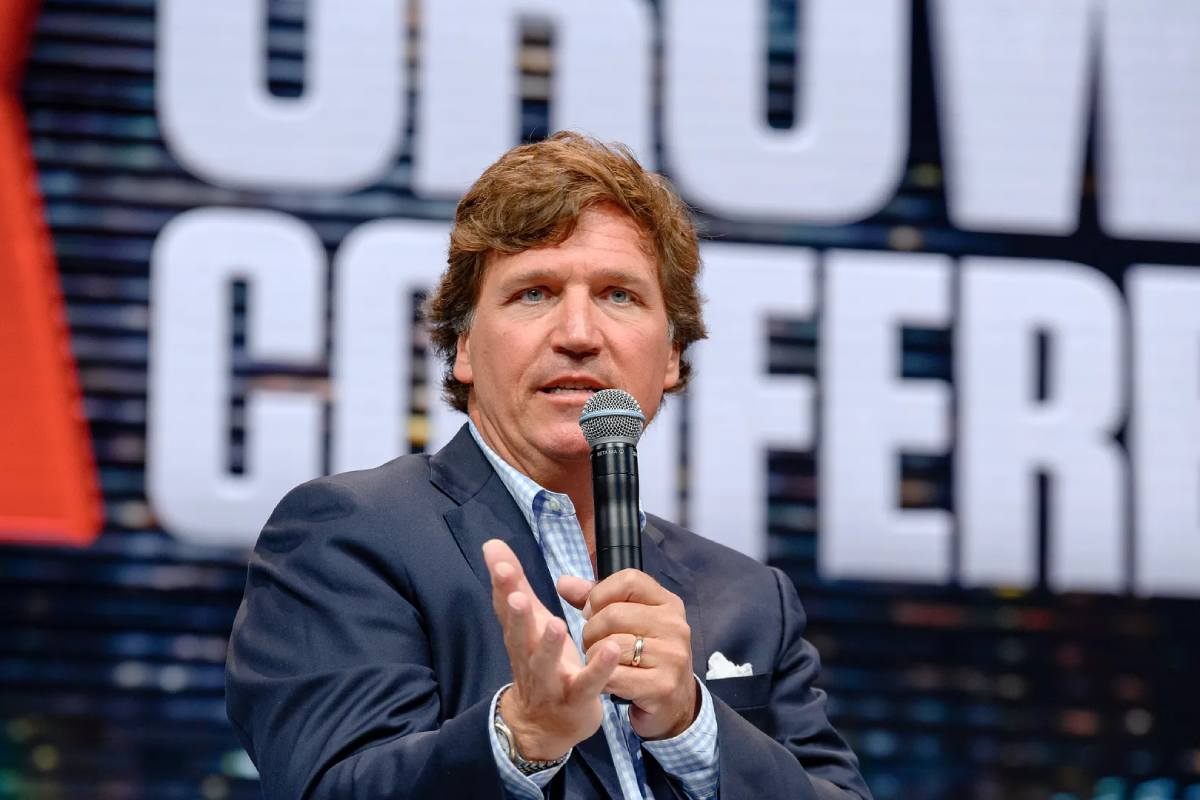

In the changing landscape of American political rhetoric, Tucker Carlson is one of the most recognisable—and controversial—figures in contemporary media. Known for his incisive rhetoric, sharp wit and unwavering conservative tone, Carlson won the public’s hearts for decades. His presence on platforms ranging from CNN in the 1990s to his successful, stellar prime-time show on Fox News, and later on his independent projects, has solidified his place in the pantheon of influential media personalities.
But behind his TV image and viral videos lurks a deeper story, rooted in his legacy, family heritage, and strategic social positioning. Understanding Carlson’s trajectory requires more than simply analysing his film career; it requires examining the legacy that, imperceptibly, shaped his financial position and opened doors that would otherwise have remained closed.
At ImpactWealth.org, we delve beyond the headlines to explore how legacy, both monetary and cultural, played a decisive role in Carlson’s wealth and influence.
Born Into Privilege: Family Background and Early Life
Tucker Swanson McNear Carlson was born on May 16, 1969, in San Francisco, California. His father, Richard “Dick” Carlson, was a single parent. Dick Carlson held prestigious positions throughout his career, including as a journalist, media company executive, and even director of the U.S. Information Agency, where he led VOA. These positions afforded him access to the political and media elite, providing the young Tucker with early experience of influence, power, and decision-making.
But Tucker’s wealth story isn’t limited to his father’s accomplishments. The deepest roots of his financial stability reside in his marriage to Susan Andrews, daughter of an influential family linked to the Swanson frozen food empire. This connection positioned Carlson not only as a prominent media figure but also as an heir to generational wealth.
The Swanson Heiress Connection
The Swanson brand is steeped in the history of American cuisine. Founded in the early 20th century, the company became a home kitchen staple thanks to its frozen lunches for watching television in the 1950s and 1960s. Gilbert Swanson, Susan Andrews’s grandfather, was the driving force behind the company’s expansion and success. His business vision generated wealth that was passed down from generation to generation through inheritance, trusts, and family heritage.
When Tucker Carlson married Susan Andrews, he joined a family with the influence of the old aristocracy and a solid financial foundation. While Carlson’s own career brought him fame and substantial income, the Swansons’ legacy added a layer of financial protection and long-term security.
As historians of wealth often point out, marrying into a wealthy family is a foolproof way to consolidate influence. In Carlson’s case, that connection transformed him from the privileged son of a diplomat and journalist into a recognised personality associated with one of America’s most iconic consumer brands.
Tucker Carlson’s Net Worth: Breaking Down the Wealth
As of 2025, Tucker Carlson’s net worth is estimated at between $30 and $45 million, though some sources suggest it could be higher given his personal wealth.
Below is a more detailed analysis of the components of his fortune:
- Swanson family estate: $10-$15 million (estimate that includes trust funds and assets).
- Salary in media (Fox and others): $6-10 million annually in peak years.
- Literary contracts and royalties per author: $2-3 million and up, thanks to sales hits like Ship of Fools.
- Real estate: $5-7 million in luxury properties, including a house on a private island in Maine.
- Companies and streaming: $5 million and up, coming from his media empire after leaving Fox, including “Tucker on X.”
It is worth noting that, although his TV career has earned him millions, this does not represent the entirety of his net worth. Inheritance and family connections provided Carlson with a foundation from which to take risks, make investments and implement ambitious projects without fear of financial collapse.
Why Inheritance Still Matters in 2025
Carlson’s financial track record illustrates the profound impact of heritage inheritance in the United States. For millions of Americans struggling with stagnant wages, high living costs and limited opportunities for social upward mobility, the idea of inheriting millions seems unlikely. For Carlson, however, the inheritance not only provided financial freedom but also access to an elite education, real estate, and social connections that greatly expanded his opportunities.
The couple’s real estate portfolio, including their country house on a Maine island, reflects the level of trust-based capital management and careful planning typical of families passing down their wealth from generation to generation. Therefore, the Swansons’ net worth is not just about money, but about creating long-term security over the course of decades.
Beyond Money: The Power of Social and Cultural Capital
A legacy is not just about financial assets. Carlson inherited influence, access and cultural capital that shaped the trajectory of his career.
Tucker grew up in the bustling city of La Joya, California, where he attended the prestigious St. Mary’s boarding school. George went to Rhode Island and then to Trinity College in Connecticut. These educational institutions are known not only for their academic rigour but also for their connections to the families of the American elite. For Carlson, this meant early opportunities in journalism at Policy Review, CNN and MSNBC, platforms rarely available to those without contacts.
Her father’s diplomatic connections and media expertise further enhanced her chances. From the earliest stages of his career, Carlson benefited from a system in which “who knows you” matters as much as “what you know.”
The Independent Pivot: Building Wealth Beyond Fox
When Tucker Carlson left Fox News in April 2023, critics speculated that his career might stall. Instead, he leveraged his loyal audience and dabbled in independent projects.
Its star show, “Tucker on X” (formerly Twitter), combined the power of its brand with a decentralised media platform. Backed by conservative investors and private equity funds, Carlson launched production projects and collaborations that placed him at the forefront of media industry transformation.
This decision underscores a broader trend: wealthy individuals are using inherited funds to create new independent sources of influence. Carlson’s financial foundation, built on his legacy, gave him the confidence and flexibility to experiment in this uncharted territory.
Inheritance as Identity: More Than Wealth
Carlson’s story reveals a more profound truth: inheritance shapes not only financial security but also identity and public perception. Although he presents himself as a man of the people—challenging elites and championing populist ideas—his life story demonstrates that he has long benefited from the very systems of privilege he critiques.
This duality raises questions about authenticity and the ability to generate empathy. However, it also highlights the power of inherited wealth: it allows people to mould their identities, pursue ideological goals, and face career hardships without running the risk of existential financial hardship.
Final Thoughts: The Lasting Legacy of Wealth and Influence
The story of Tucker Carlson’s legacy is not just about inherited wealth. It is a multidimensional narrative of generational privilege, strategic marriage, cultural capital and contemporary entrepreneurship. Her journey—from an elite education to media fame and building an independent empire—would have been much more difficult without the support of wealth and family connections.
In 2025, as the social gap widens and debates over generational privilege intensify, Carlson’s story serves as both an inspiration and a critique. It reminds us that, although hard work and talent influence success, the invisible hand of legacy—financial and social—often provides a decisive advantage.
Admired or criticised, Tucker Carlson is a symbol of how inherited wealth shapes contemporary influence. Their financial position and inherited privilege illustrate a broader truth about American society: the most influential inherit far more than just money; they inherit opportunity itself.